
UAS Long-Range Communications Suite
Jam-resistant long-range communications supporting data rates up to 8 Mbps at ranges exceeding 100 nmi for Group 2+ UAS platforms.
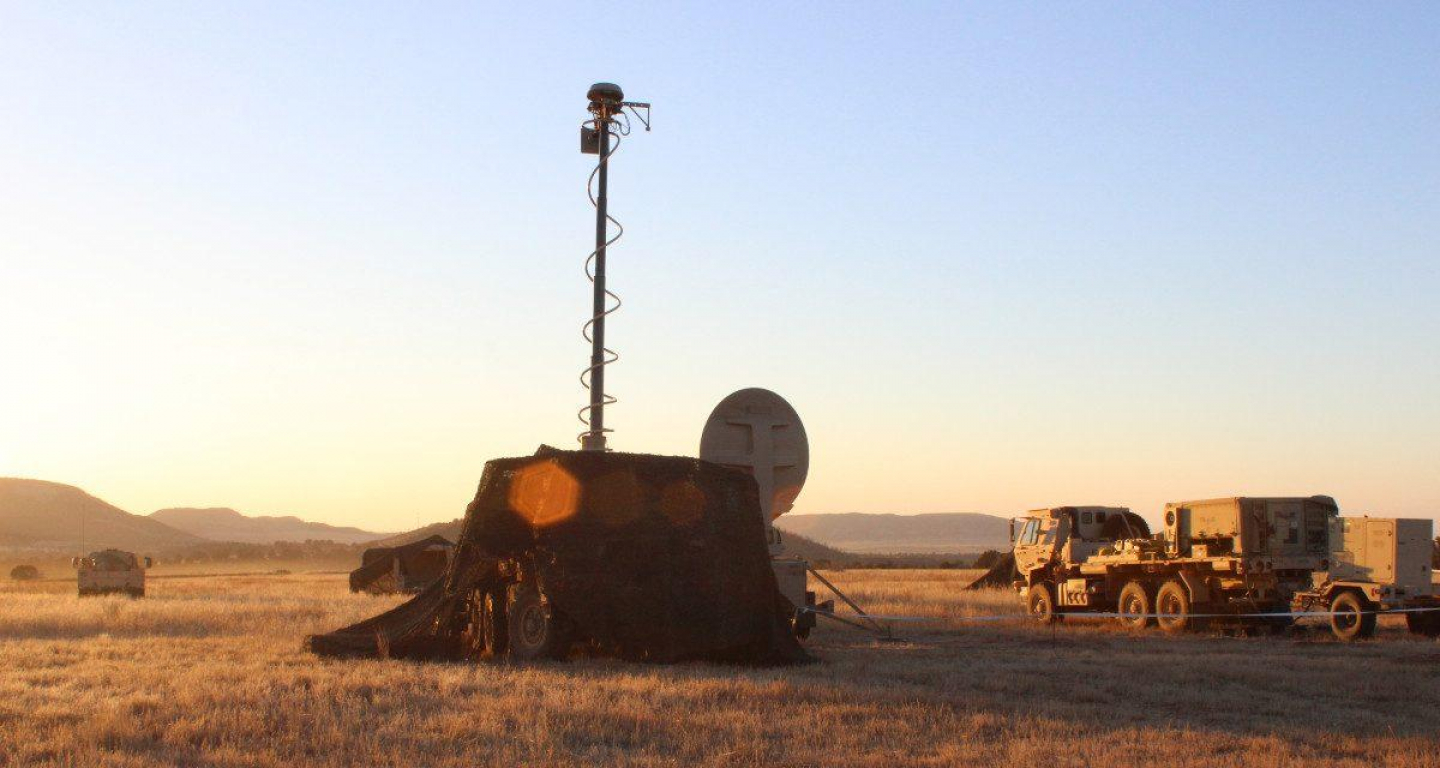
Ether Form Inc’s UAS Communications Suite provides long-range data links for relay and ad-hoc mesh networking using directional phased arrays integrated with Software-Defined Radio (SDR). The phased arrays integrate with the platform’s navigation system to steer beams toward partner nodes, concentrating RF energy to extend range (>100 nmi) while reducing overall transmit power.
Narrow beamwidth both, reduces probability of interception, and rejects interference originating outside the main lobe, while simultaneously delivering anti-jam resilience through randomized frequency hopping across a wide bandwidth (>500 MHz). The link layer provides additional security and robustness through AES encryption, forward error correction, and network management features. On-board applications communicate with other UAS and ground stations through IP-based networking, simplifying integration with existing payload and mission systems.

Features
- Utilizes multiple phased arrays (depending upon mission requirements and platform geometry) to form directional beams (<15 degrees beamwidth).
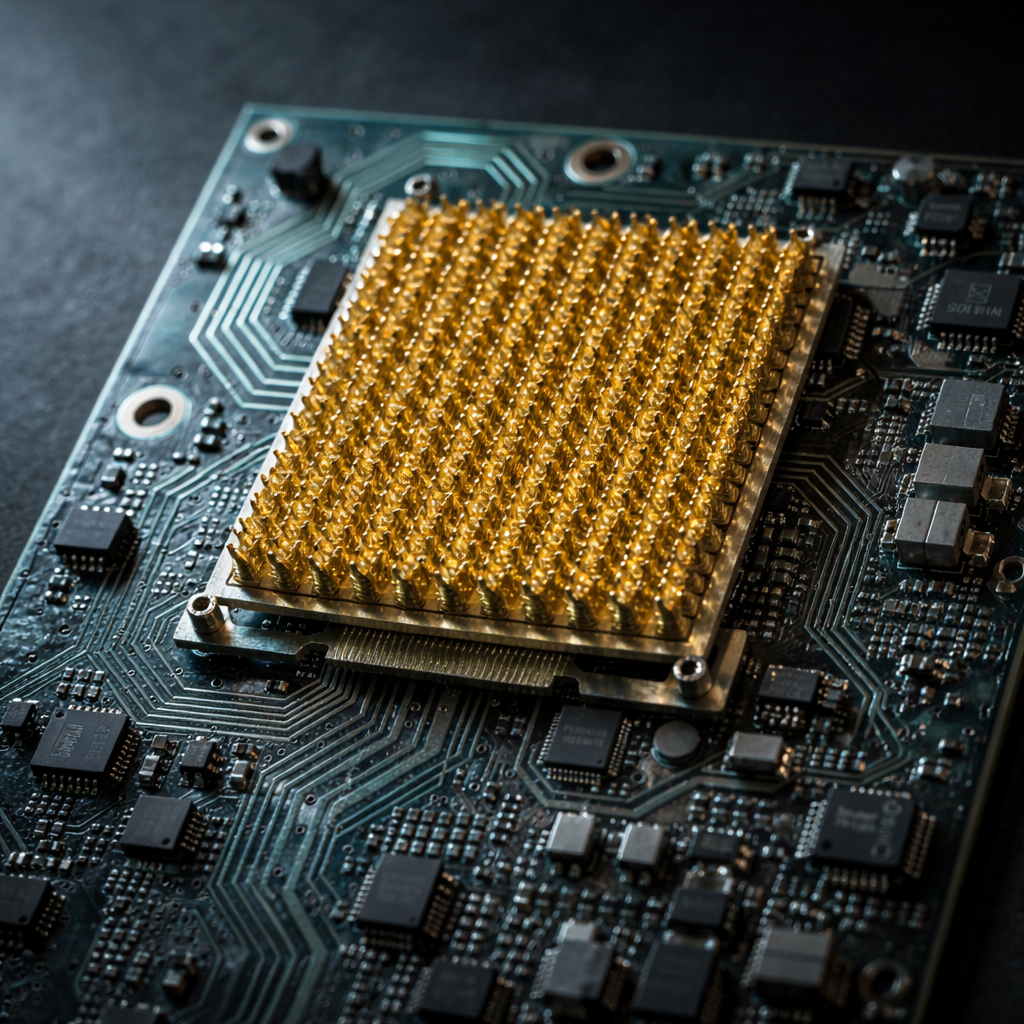
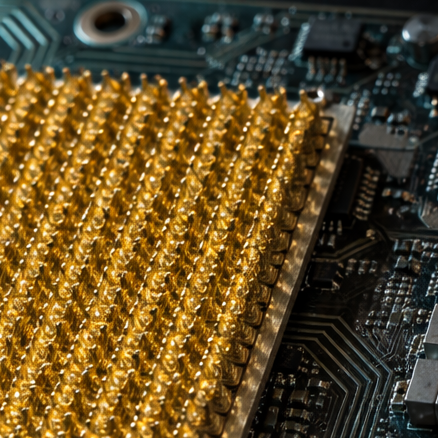
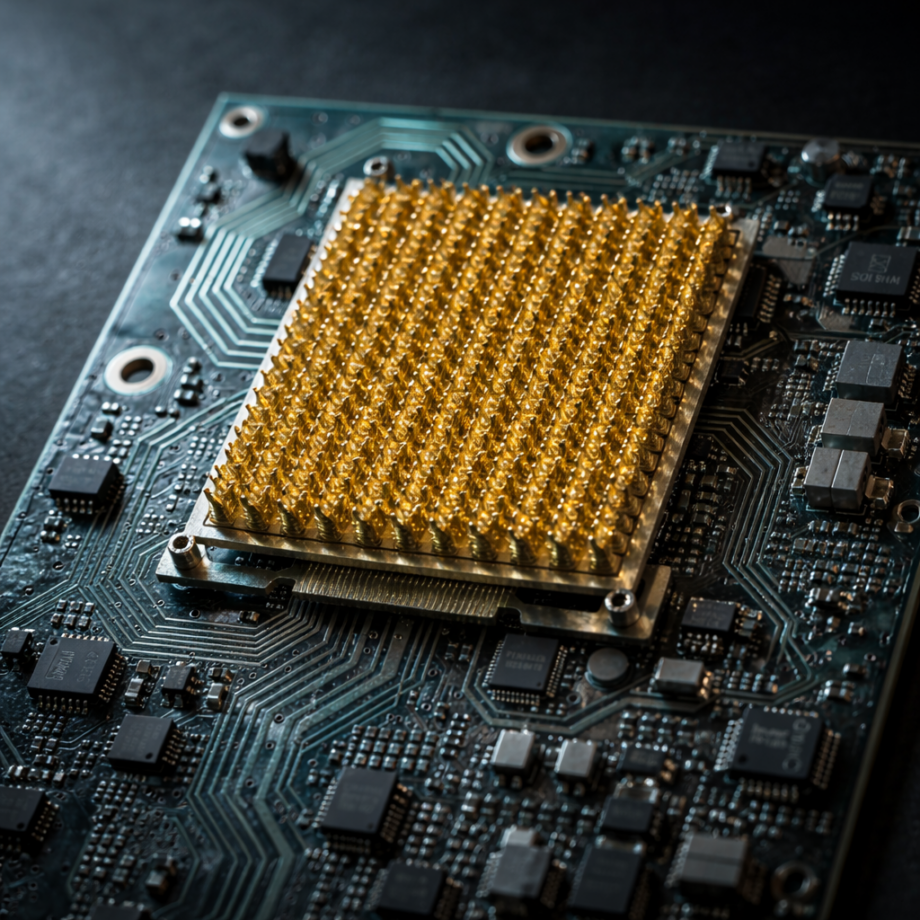
- Phased arrays leverage a novel 3D metal printing technique and commercial beamformers that are controlled by an array processor to manage timing and steering of beams. The printed arrays provide an increased steering angle/increased power off boresight relative to PCB-based phased arrays.
- Utilizes long-range and low power modulation techniques to reduce electrical power consumption and detectability.
- Multiple layers of forward-error correction used to ensure reliable packet transmission.
- Half-duplex communication links with tunable uplink and downlink transmit/receive ratios.
- Link range over 100nmi at 8Mbps (single direction) while consuming < 30 watts
Why directional matters
Directional links concentrate energy where it is needed instead of radiating equally in all directions. That changes the operating trade space.
Compared to omni-directional approaches, directional architectures can help programs:
- Put more useful energy on the intended link while rejecting energy from interference and jammers
- Reduce wasted energy off-beam and into the surrounding environment supporting low-detectability
- Improve link efficiency for network peers
- Support longer-range communications concepts within tight SWaP constraints
- Create a better starting point for resilient communications in degraded or contested environments
This is not just technical elegance. It is operational efficiency: more useful energy on the link, less wasted energy off the link.
Requirements, Testing and Integration
The Directional Communications Suite is an in-development capability. EFI is advancing it through staged validation, integration work, and architecture refinement. Current discussions are best suited for teams that want to compare requirements, platform constraints, integration fit, and test priorities with EFI early, before locking into a larger integration effort.

Compare Requirements and Integration Constraints
If your program is exploring low-SWaP directional communications for a constrained or modular platform, start with a technical conversation. EFI can discuss platform fit, integration constraints, validation priorities, and current development status.
Visit Us
2860 NE Rivergate St., Suite 1, McMinnville, Oregon
Start a Technical Conversation
By submitting, you agree to our Terms & Privacy.